Roof Replacement Contractor in Massachusetts
Protect Your Home With a Roofing System Built to Last
Replace an aging, damaged, or leaking roof with a professionally installed roofing system designed to protect your home from New England weather.
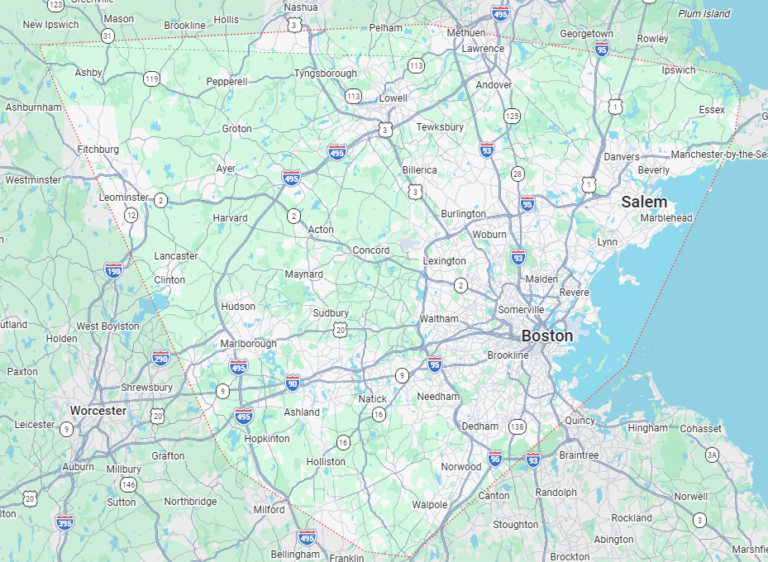
Forma Construction helps homeowners across the North Shore, Greater Boston, and surrounding Massachusetts communities complete residential roof replacement and installation projects with careful planning, clear communication, and quality-focused construction.
From the initial roof evaluation through material selection, removal, installation, ventilation, flashing, and final cleanup, our team coordinates every applicable stage of the project.
Fill out the form below, and our team will contact you shortly to discuss your project.
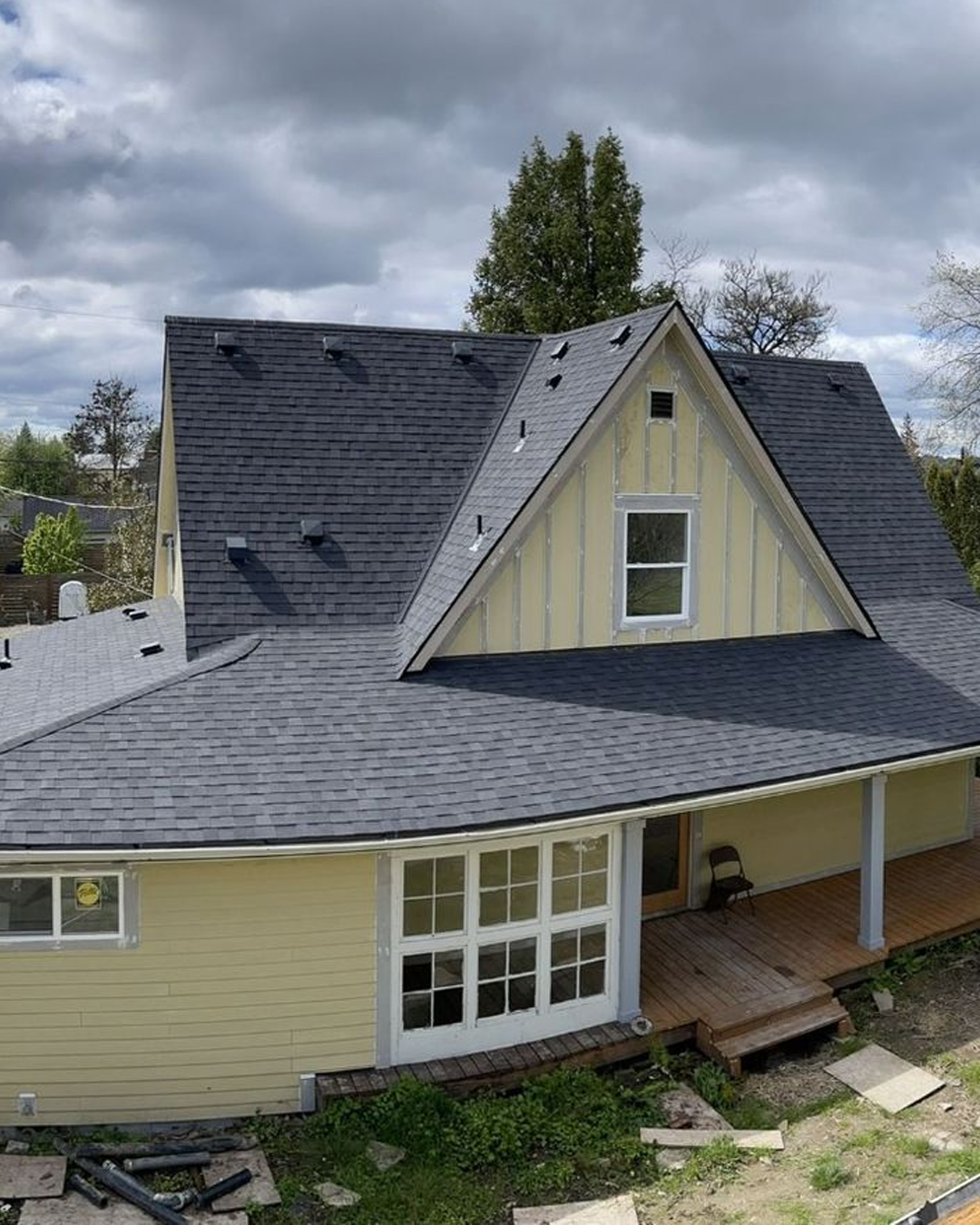
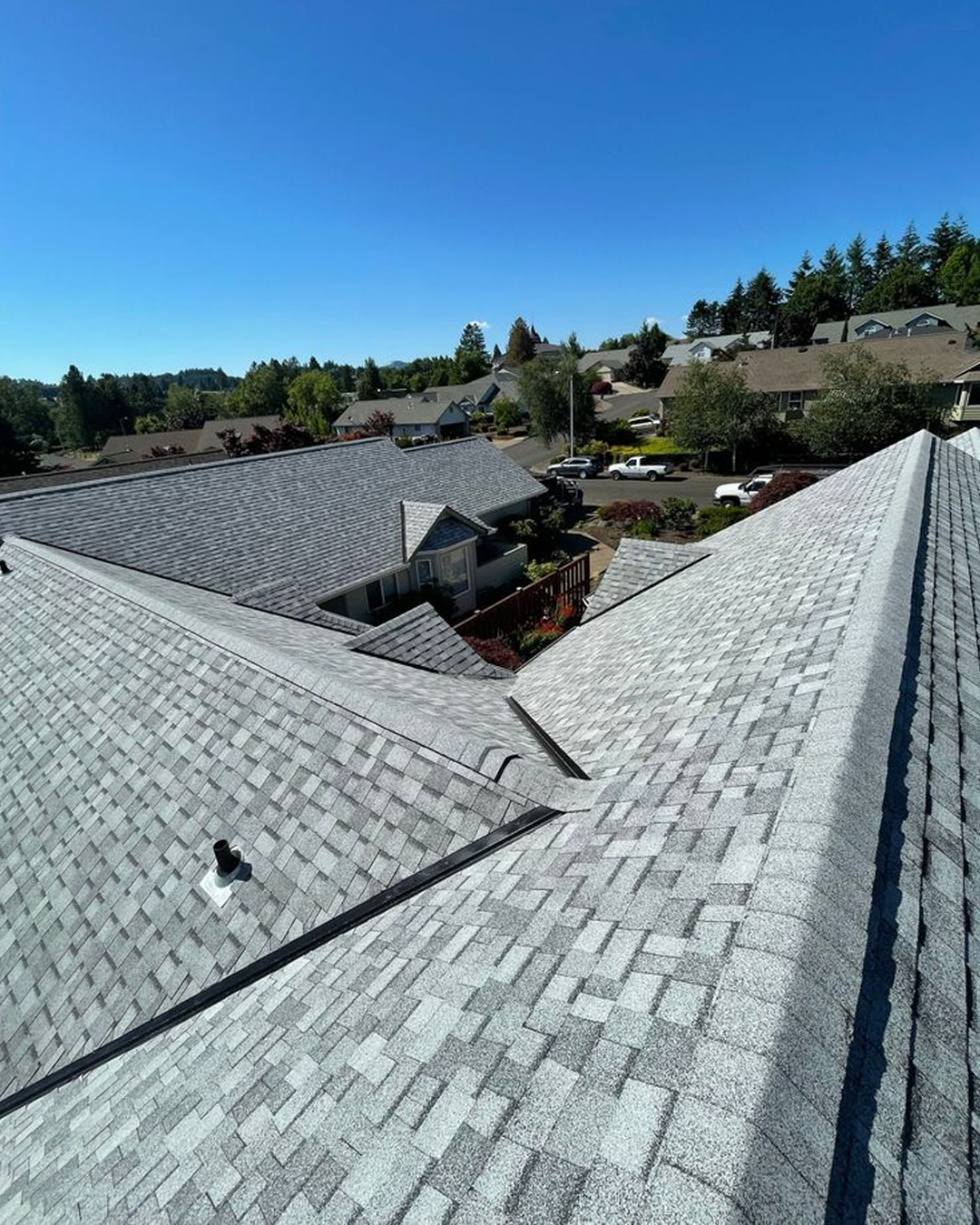
See Some of Our Work

TRUSTED BY HOMEOWNERS ACROSS MASSACHUSETTS
See why homeowners across Massachusetts trust our team for quality craftsmanship, reliable service, and outstanding results.
Excellent rating
Based on 45 reviewsTrustindex verifies that the original source of the review is Google. We are very happy with Forma Construction, they did a fantastic job with our home addition. The team was professional, the quality of the work is excellent, and they got the details just right matching the siding, windows, etc. if you need a contractor for an addition, call these guys.Trustindex verifies that the original source of the review is Google. They did an incredible job building our ADU. The team made the whole process stress-free and really nailed all the details we wanted. It’s the perfect extra space for our family, and the quality of the build is top-notch. If you’re thinking about adding an ADU, these are definitely the people to call!Trustindex verifies that the original source of the review is Google. I have used Forma Construction before, but I never had the time to leave a review. After the amazing kitchen renovation they completed at my home in Saugus, and seeing how happy my wife was with the results, I decided to hire them again for both my business office renovation and my basement renovation. I was extremely impressed with how my office turned out, but I was even more amazed by what they did with our basement. From the very beginning, they were very detail-oriented and focused on maximizing every inch of available space to create a functional and beautiful extension of our home. Their ideas for layout, storage closets, the TV area, and the bathroom were outstanding. Considering the space we had to work with, the final result exceeded our expectations. It has been a pleasure working with Tulio and Diogo. They are friendly, professional, and attentive throughout the entire process, from the initial consultation and planning to the execution of the project and follow-up afterward. Their communication and commitment to quality truly set them apart. I highly recommend Forma Construction to anyone looking for a reliable and talented construction company. We look forward to working with them again in the future.Trustindex verifies that the original source of the review is Google. I have known this company for a long time and can confidently say they do excellent work. They are responsible, punctual, and committed to quality. They always strive to deliver beautiful results and complete customer satisfaction. I highly recommend them to anyone looking for trustworthy professionals.Trustindex verifies that the original source of the review is Google. A serious and committed company—highly recommended.Trustindex verifies that the original source of the review is Google. Excellent experience with Forma Construction for my full gut renovation. The team was professional, reliable, and delivered high-quality work with great attention to detail. Communication was clear throughout the entire process. I highly recommend Forma Construction for any home remodeling project.Trustindex verifies that the original source of the review is Google. Forma did such an amazing job on our house. The crew was super professional, easy to work with, and really paid attention to the details. We’re so in love with how the new space turned out it blends perfectly with the rest of the home. Honestly couldn’t recommend them enough if you're looking to add on!Trustindex verifies that the original source of the review is Google. This company did a great job in my house ,my kitchen was falling apart, now it look new as never bee usedTrustindex verifies that the original source of the review is Google. The staff are so friendly. They did excellent job. I really recommend.
Is Your Roof Showing Signs of Age or Damage?
Roof problems are not always limited to visible leaks.
Small areas of deterioration can allow moisture to reach the roof deck, insulation, attic, ceilings, walls, and other parts of the home.
Warning signs may include:
- Missing or damaged shingles
- Shingles that are cracked, curled, or lifting
- Granules collecting in gutters
- Dark stains or discoloration
- Water stains on ceilings or walls
- Moisture inside the attic
- Damaged flashing
- Ice dam problems
- Moss or organic growth
- Roof sections that appear uneven or sagging
- Frequent repair needs
- Storm or wind damage
- A roof approaching the end of its expected service life
- Uncertainty about when the roof was last replaced
A professional roof evaluation can help determine whether repair or complete replacement is the more appropriate next step.
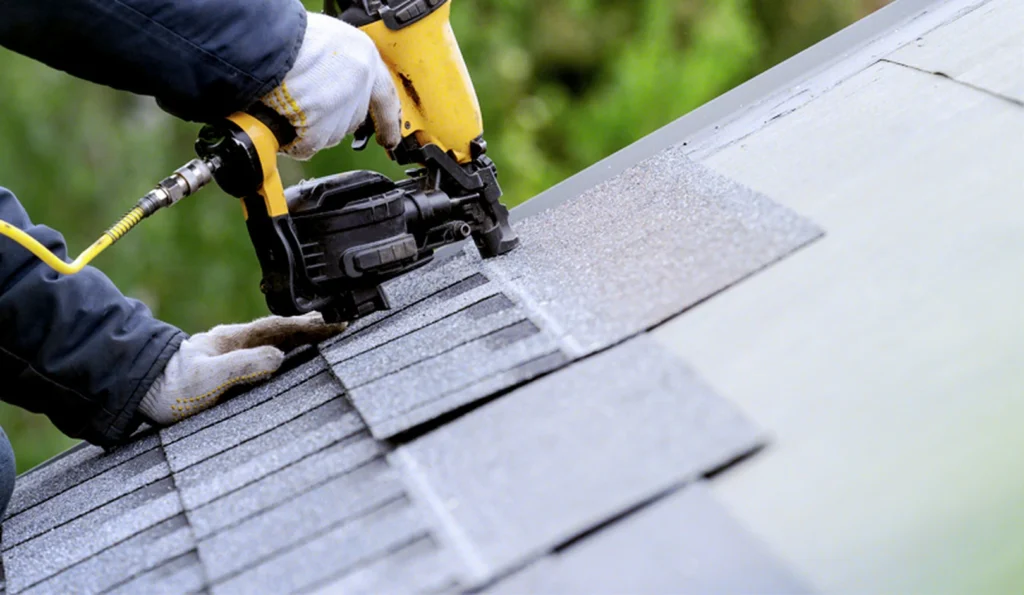
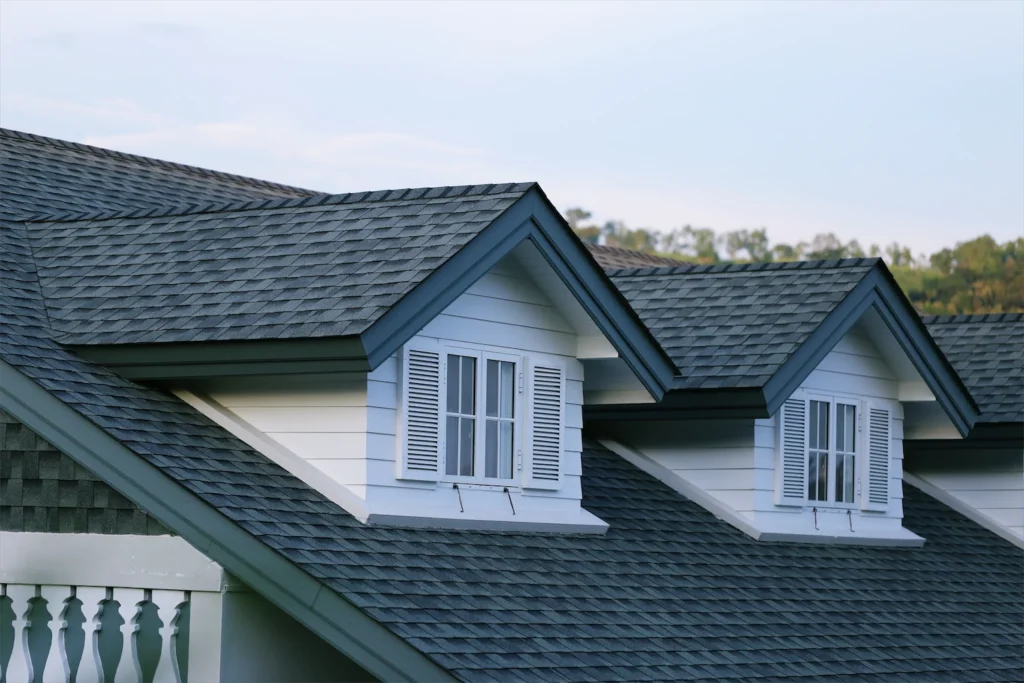
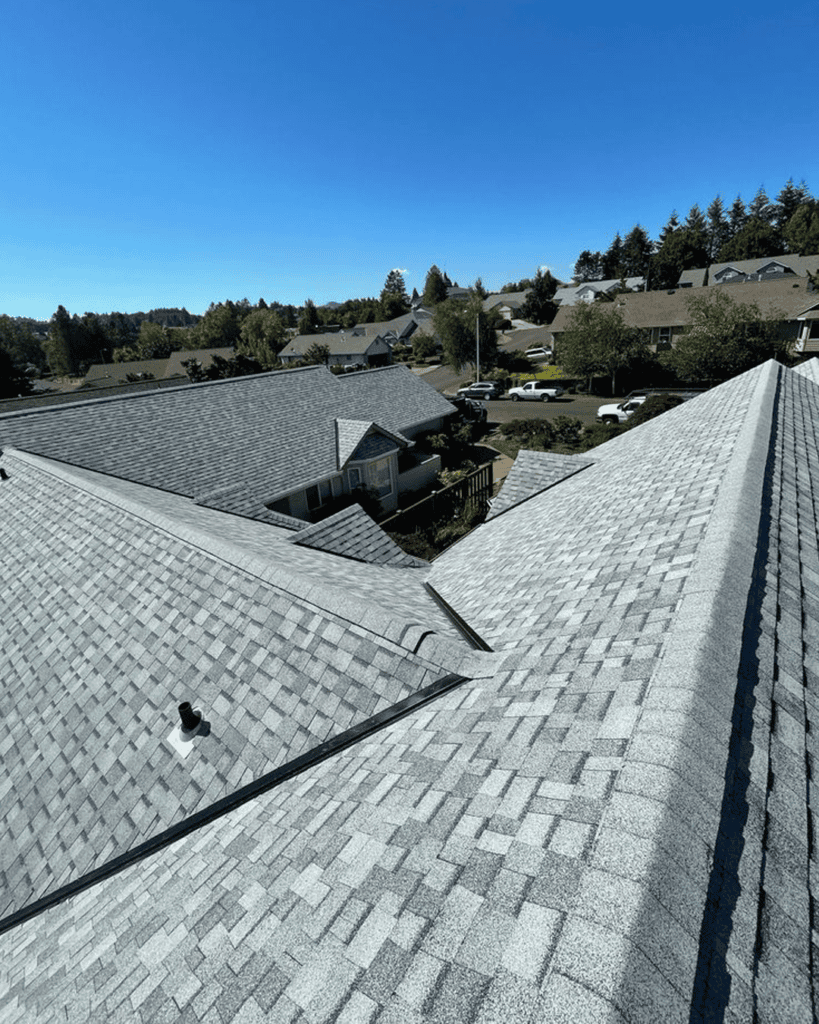
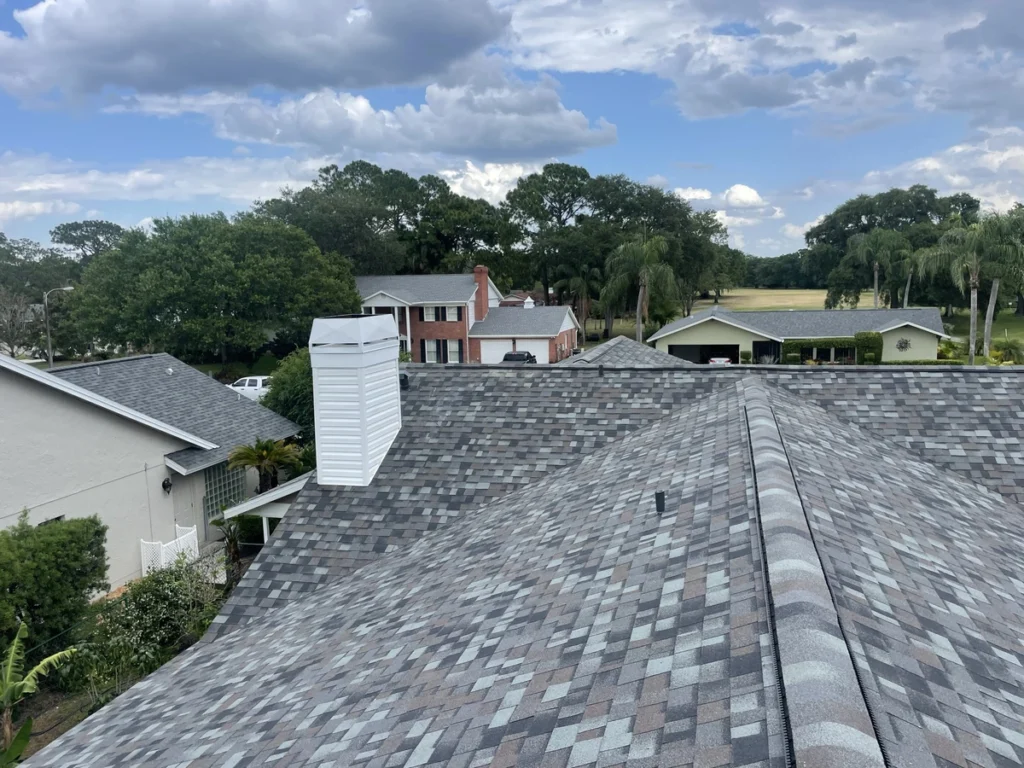
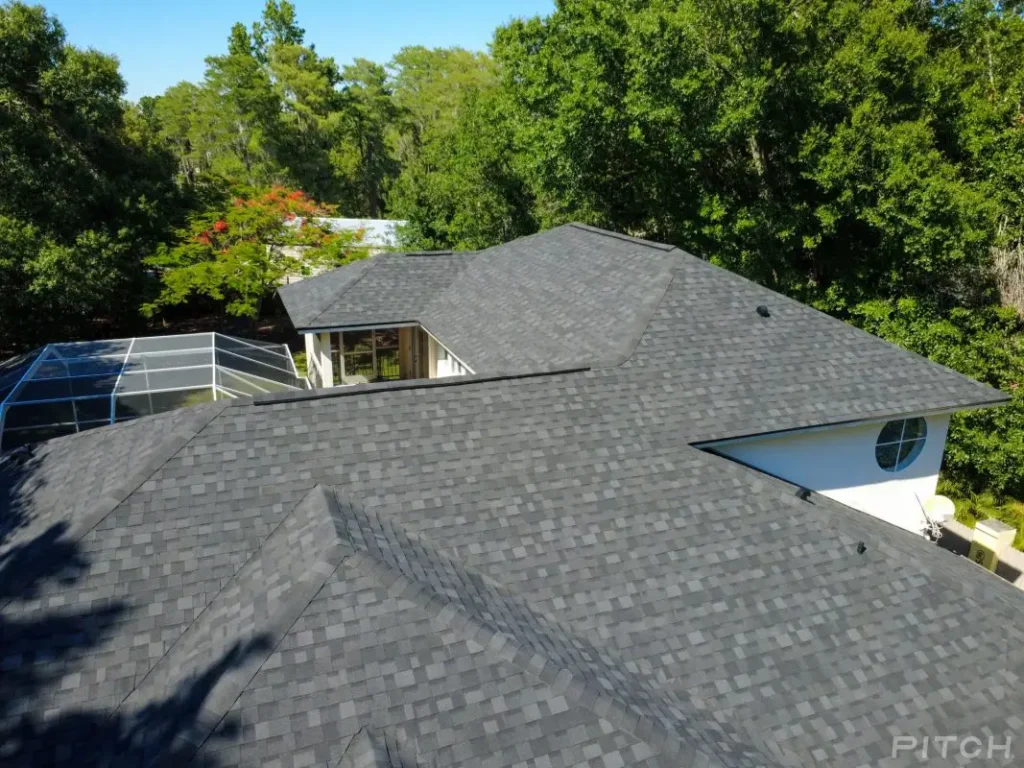
Residential Roofing Services Designed Around Your Home
Every roof has different slopes, penetrations, ventilation requirements, materials, drainage patterns, and existing conditions.
Forma Construction develops roofing solutions based on the property, current roof condition, project requirements, and selected materials.
Complete Roof Replacement
Remove the existing roofing materials, evaluate the exposed roof surface, complete the approved preparation work, and install a new roofing system.
New Roof Installation
Install roofing for additions, newly constructed areas, garages, accessory structures, and other approved residential projects.
Asphalt Shingle Roofing
Install architectural asphalt shingles selected around appearance, performance, manufacturer requirements, and project budget.
Roof Repair
Address localized roofing problems when the surrounding system remains suitable for repair.
Storm Damage Roofing
Evaluate and repair or replace roofing affected by wind, falling debris, severe weather, or other storm-related conditions.
Roof Leak Evaluation and Repair
Identify potential sources of water intrusion and complete the roofing repairs included in the approved project scope.
Roof Decking Replacement
Replace damaged, deteriorated, or unsuitable roof decking discovered during removal, when included or approved as part of the project.
Roof Flashing Installation
Install or replace flashing around chimneys, walls, valleys, skylights, vents, and other roof transitions.
Roof Ventilation Improvements
Improve attic airflow through an appropriate combination of intake and exhaust ventilation based on the home and roof design.
Skylight Replacement and Installation
Coordinate skylights with the roofing system, flashing, underlayment, interior conditions, and manufacturer installation requirements.
Gutter and Roof Drainage Coordination
Coordinate roof edges, drip edge, gutters, downspouts, and water movement to help direct water away from vulnerable areas.
Roof Inspections
Evaluate visible roofing conditions, problem areas, penetrations, flashing, drainage, and other accessible components.
Roofing for Home Additions
Install roofing systems for home additions while coordinating transitions with the existing roof and exterior.
Complete Exterior Roofing Solutions
Coordinate roofing, flashing, ventilation, skylights, gutters, trim, and related exterior components included within a larger project.
Why Choose Forma Construction for Your Remodeling Project

Quality Work Done Right
We focus on precision, clean execution, and long-lasting results — not shortcuts.
Licensed & Insured
Your home is protected. Our team follows all standards for safety, compliance, and reliability.
Clear Communication
You always know what’s happening in your project — no confusion, no surprises.
No Hidden Costs
Transparent pricing from the beginning, so you can plan your investment with confidence.
Clean & Organized Job Sites
We respect your home and keep every project clean, safe, and well-managed.
On-Time & On-Budget
We deliver on-time and on-budget quality construction work and are always mindful of your budget.
Frequently asked questions
Here are the most common questions homeowners ask before starting a remodeling project.
Common warning signs include missing shingles, cracking, curling, granular loss, recurring leaks, damaged flashing, moisture in the attic, storm damage, and an older roof with widespread wear.
An evaluation is needed to determine whether repair or replacement is more appropriate.
The installation timeline depends on roof size, complexity, weather, material availability, removal requirements, decking conditions, skylights, chimneys, and inspections.
A straightforward residential roof may require less time than a large or complex roof with multiple slopes and details.
Roof replacement pricing may depend on:
- Roof size
- Roof pitch
- Number of levels
- Material selection
- Existing roofing layers
- Removal requirements
- Roof decking condition
- Chimneys
- Skylights
- Valleys
- Flashing
- Ventilation
- Site access
- Waste removal
- Property protection
- Required permits
A roof evaluation and defined scope are needed before reliable pricing can be provided.
Installing new shingles over an existing roof may be possible in limited circumstances, but complete removal provides access to the roof deck and allows hidden conditions to be identified.
The appropriate approach depends on the property, existing layers, local requirements, roof condition, and selected roofing system.
The decking becomes visible after the existing roofing materials are removed.
Damaged or unsuitable sections should be documented and addressed before the new roofing system is installed.
The process for approving additional decking work should be explained before construction begins.
The right material depends on the home, roof slope, desired appearance, maintenance expectations, manufacturer requirements, and project budget.
Architectural asphalt shingles are common for residential properties, while specific roof sections may require other materials.
Roofing colors can be evaluated alongside siding, trim, stone, brick, gutters, and other exterior features.
Physical samples should be viewed under natural lighting before a final decision is made.
Flashing around chimneys, walls, skylights, valleys, and penetrations should be evaluated during the project.
The exact flashing replacement included should be clearly defined in the scope.
Roof replacement is often an appropriate time to evaluate intake and exhaust ventilation because major roof components are accessible.
Ventilation changes should consider the entire attic system.
Replacing aging skylights during roof replacement can reduce the need to disturb the new roofing system later.
The skylight model, size, flashing system, roof slope, and interior conditions should be coordinated in advance.
Roofing work should be scheduled around appropriate weather conditions.
If unexpected weather develops, exposed areas need to be secured using the temporary protection procedures appropriate for the stage of construction.
Permit requirements depend on the municipality and project scope.
The applicable requirements should be confirmed before construction begins.
Roofing manufacturers may offer different product or system warranties depending on the material, installer requirements, registration, ventilation, and installation method.
Workmanship coverage and manufacturer coverage should be explained separately in writing.
Contact a contractor when you notice visible damage, interior water stains, moisture in the attic, storm damage, recurring repairs, or uncertainty about the roof’s age and condition.
Early evaluation may prevent a smaller problem from affecting more parts of the home.