
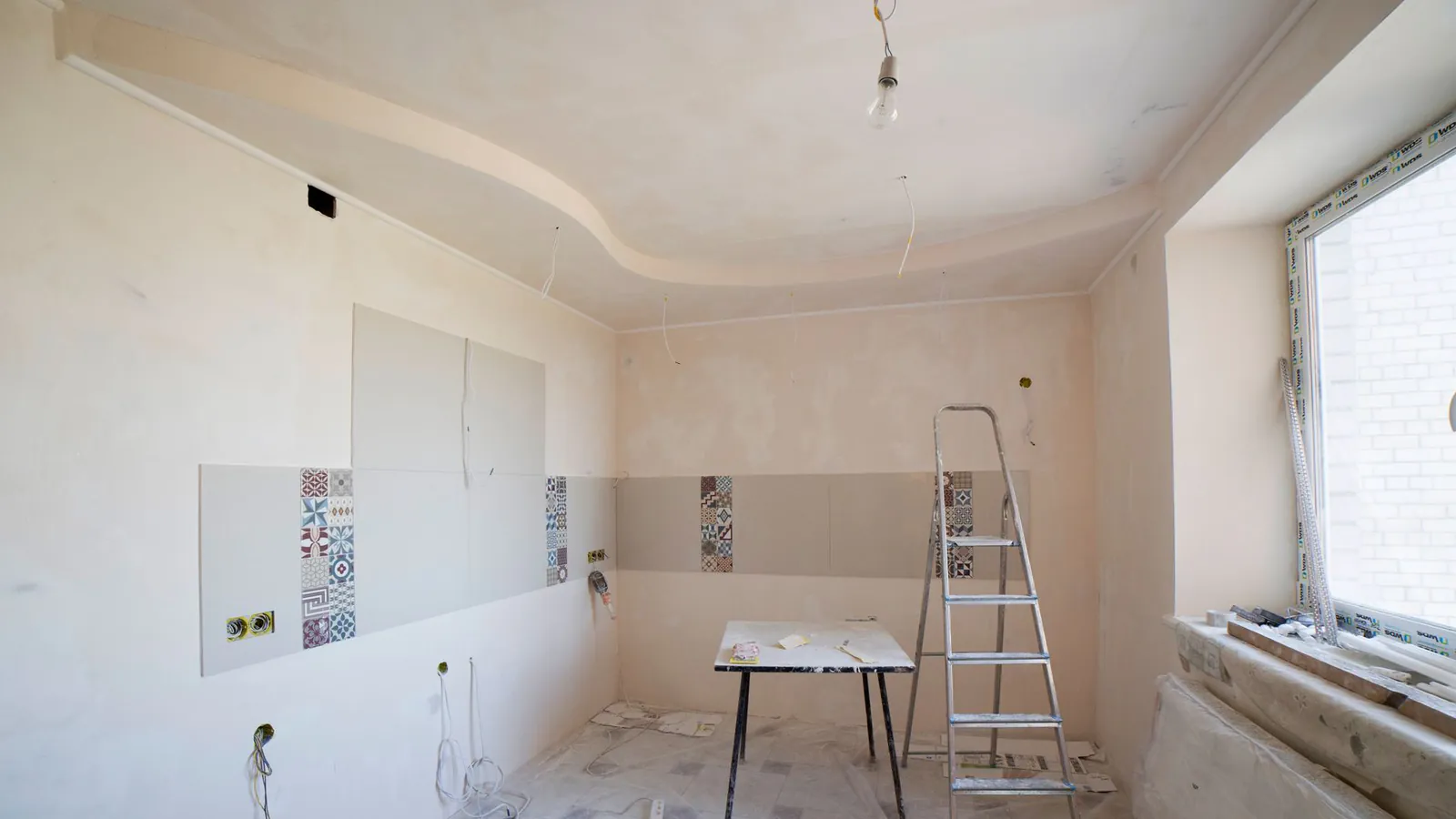
Kitchen remodel cost in Massachusetts depends on layout changes, cabinetry, countertops, and any plumbing or electrical work, not size alone.
If you’re planning a kitchen remodel in Massachusetts, you’ve probably noticed that price estimates online vary wildly from one source to the next. That’s because kitchen remodeling cost isn’t a single number: it depends on the scope of the project, the materials you choose, and whether the layout itself is changing. This guide walks through the factors that actually drive the price up or down, so you know what to ask about when you get an estimate.
Kitchen remodel cost in Massachusetts depends mainly on whether the layout is changing, the cabinetry and countertop materials chosen, and whether plumbing or electrical work is involved, not on square footage alone.
Why Kitchen Remodel Cost Varies So Much
Two kitchens the same size can end up with very different remodeling costs. A simple refresh, new countertops, updated cabinet fronts, fresh paint, costs far less than a full gut renovation that moves plumbing and electrical lines. Forma Construction works with homeowners across the North Shore, Greater Boston, and surrounding Massachusetts communities, and the range of projects makes clear just how much scope affects the final number.
Rather than quote a blanket price range that may not reflect your specific kitchen, this article focuses on the factors that shape your actual estimate. For a number that applies to your home, the most reliable step is a conversation with a contractor who can look at the space in person.
Layout Changes vs. Cosmetic Updates
The single biggest factor in kitchen remodeling cost is whether the layout itself is changing. Swapping countertops, cabinet doors, and appliances within the existing footprint is a cosmetic update, and it’s the least expensive way to remodel. Moving a sink, relocating an island, or opening a wall between the kitchen and another room involves plumbing, electrical, and sometimes structural work, which adds both labor and complexity to the project.
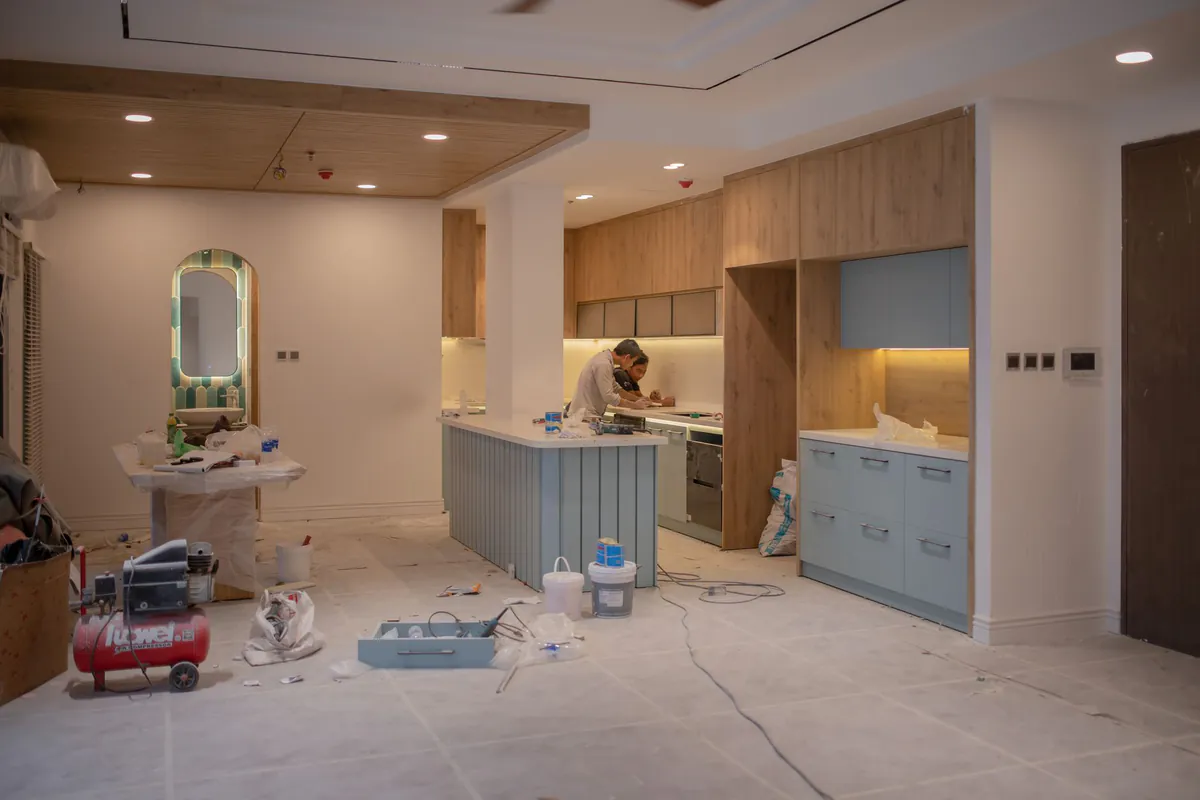
Cabinetry, Countertops, and Finish Level
Cabinetry is usually one of the largest single line items in a kitchen remodel. Stock cabinets cost less than semi-custom or fully custom options, and the finish level, painted versus stained, simple doors versus detailed millwork, moves the price accordingly. Countertop material follows a similar pattern: laminate sits at the budget end, while natural stone and higher-end quartz cost more per square foot.

Plumbing and Electrical Work
If the remodel involves relocating a sink, adding a dishwasher line, or updating an electrical panel to support new appliances, that work adds cost beyond the visible finishes. Older Massachusetts homes in particular sometimes need electrical upgrades just to safely support modern kitchen appliances, which is worth discussing early in the planning process rather than discovering mid-project.
Permits and Massachusetts Building Requirements
Most Massachusetts municipalities require a permit when a kitchen remodel involves plumbing, electrical, or structural changes, not for a simple cosmetic refresh. Permit requirements and fees vary by town, so it’s worth confirming with your local building department or having your contractor handle that step as part of the project. Skipping a required permit can create problems later, particularly if you sell the home.
How Kitchen Size and Complexity Affect the Budget
A larger kitchen simply needs more cabinetry, more countertop material, and more flooring, so square footage scales the cost in a fairly direct way. Complexity adds to that baseline: an island, a peninsula, an odd-shaped room, or a kitchen that opens into a dining or living area all take more planning and more labor than a straightforward rectangular layout.
How to Get an Accurate Kitchen Remodel Estimate
Because so many variables affect the final number, the most useful next step isn’t searching for an average price online, it’s getting an estimate based on your actual kitchen. A written scope of work should spell out the cabinetry and countertop allowances, whether plumbing or electrical work is included, and what happens if something unexpected turns up once demolition starts.
Frequently Asked Questions
What affects kitchen remodel cost the most?
Whether the layout is changing is usually the biggest factor, followed by cabinetry and countertop material, and any plumbing or electrical work involved.
Do I need a permit for a kitchen remodel in Massachusetts?
Most Massachusetts towns require a permit when plumbing, electrical, or structural work is involved. A simple cosmetic update, like new countertops or cabinet fronts within the same footprint, often doesn’t require one, but requirements vary by municipality.
Does kitchen size determine most of the cost?
Size is a major factor since it drives how much cabinetry, countertop, and flooring material is needed, but layout changes and finish level can move the cost as much as square footage does.
How do I get an accurate estimate for my kitchen?
The most reliable way is an in-person estimate, since online averages can’t account for your kitchen’s specific layout, condition, and finish choices. A written scope of work should cover cabinetry, countertops, and any plumbing or electrical work.
Ready to talk through your kitchen remodel?
Fill out our contact form and our team will get back to you to discuss your project, or call us directly at (781) 600-2622.
Ready to talk through your kitchen remodel?
Fill out our contact form and our team will get back to you to discuss your project, or call us directly at (781) 600-2622.
Photos: Pexels (see individual image credits above). Written by Forma Construction.